
I materiali chimici organici esistono ovunque nell’ambiente perché sono diventati ingredienti essenziali in molti prodotti e materiali.
I composti organici volatili (COV) sono vapori di composti chimici organici che includono una vasta classe di sostanze utilizzate come solventi e idrocarburi. Poiché molti di questi hanno un basso punto di ebollizione, che permette loro di evaporare in normali condizioni atmosferiche indoor di temperatura e pressione, diventano quindi sostanze chimiche volatili.
Perché i Composti Organici Volatili sono un problema?
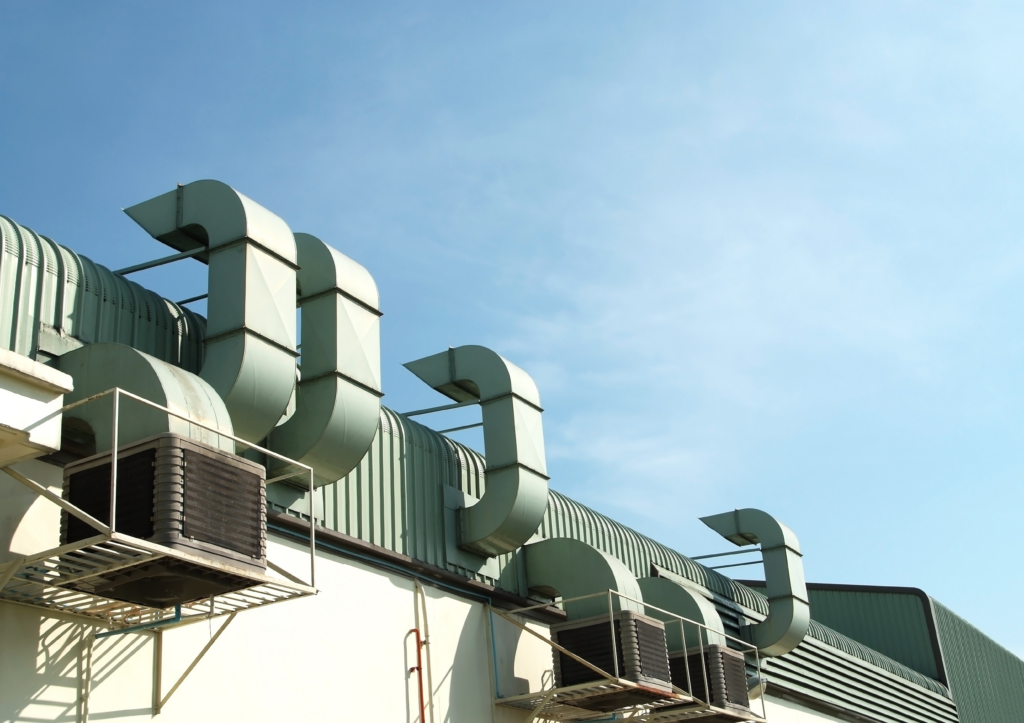
Per cominciare, molte operazioni manifatturiere come la produzione di sostanze chimiche, prodotti farmaceutici o processi di rivestimento o stampa, utilizzano questi composti organici come solventi o prodotti chimici reattivi. In questi casi, evaporano o vaporizzano facilmente nei flussi d’aria di scarico dei processi produttivi e possono essere rilasciati nell’aria esausta come Composti Organici Volatili (COV).
Inoltre, molti processi di gestione dei rifiuti rilasciano questi COV nell’aria. In aggiunta, all’interno degli edifici, tali vapori possono anche essere rilasciati nell’aria dall’uso di prodotti e materiali contenenti COV.
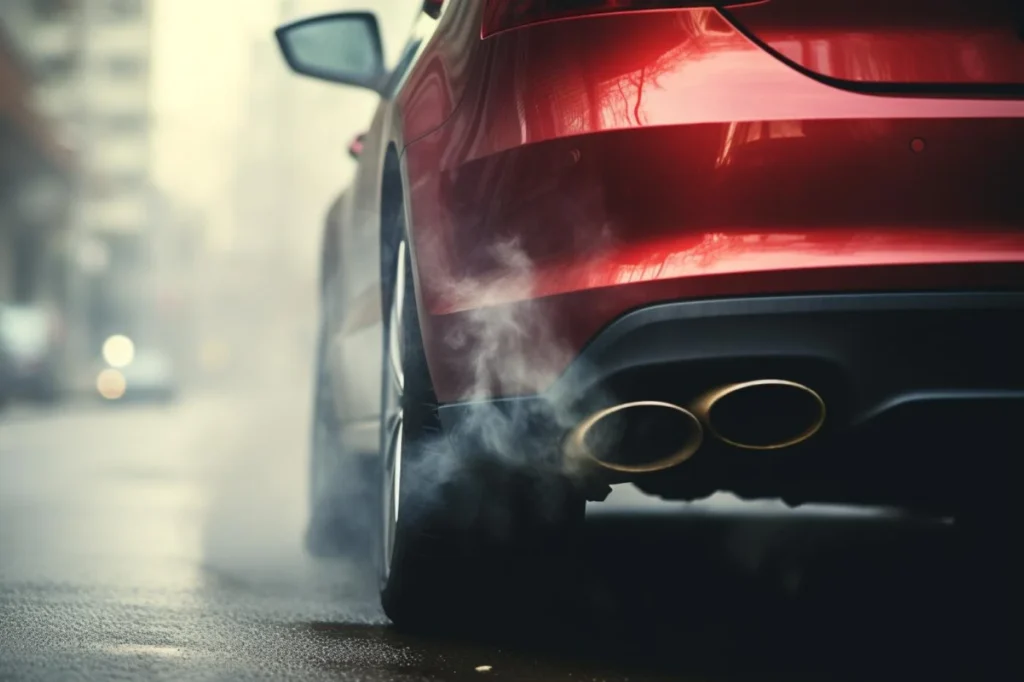
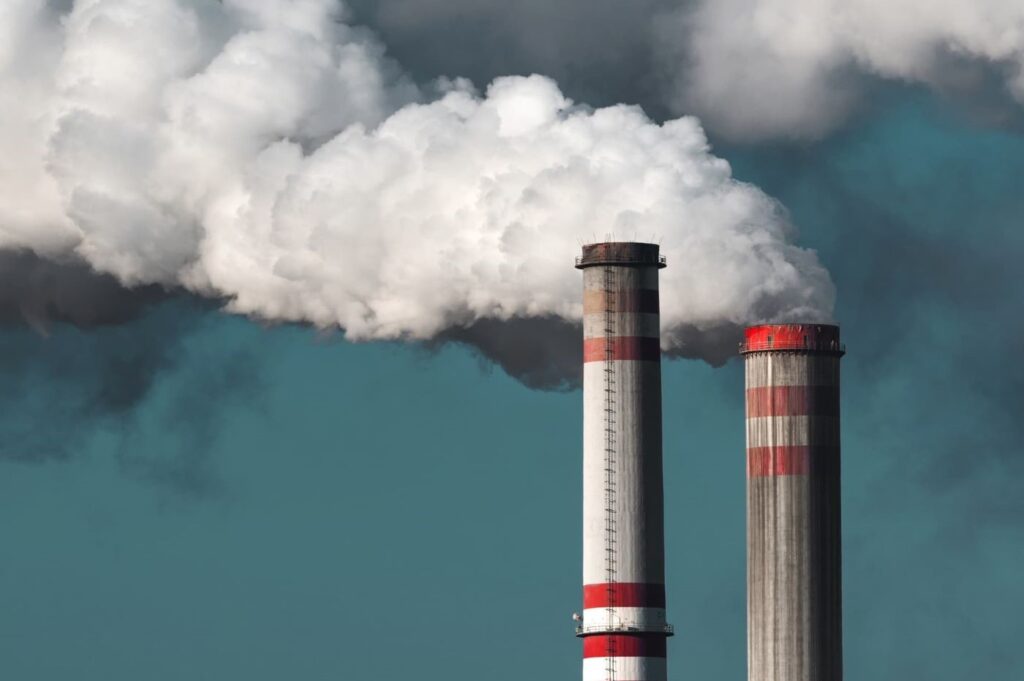
Di conseguenza, i COV destano preoccupazione come inquinanti dell’aria sia indoor che outdoor, poiché l’esposizione ad essi può avere un impatto negativo sulla salute umana. Nell’ambiente più vasto, possono creare smog fotochimico in determinate condizioni.
Normative Europee sulle Emissioni
L’Unione Europea lavora costantemente per ridurre l’inquinamento a livelli che proteggano la salute, stabilendo regole più severe per affrontare l’inquinamento alla fonte. Nello specifico, è prevista una revisione della direttiva sulle emissioni industriali (IED) e del regolamento sull’istituzione di un portale sulle emissioni industriali (IEP).
Ad esempio, l’UE ha recentemente pubblicato la nuova Direttiva sulle emissioni industriali e dell’allevamento di bestiame 2024/1785 (IED 2.0) come strumento principale per ridurre le emissioni e prevenire la generazione di rifiuti da grandi impianti industriali e allevamenti intensivi (suini e pollame). Essa modifica la Direttiva 2010/75/UE.
La IED 2.0, che è entrata in vigore il 4 agosto 2024, mira a ridurre al minimo l’impatto dell’inquinamento sulla salute delle persone e sull’ambiente. Inoltre, punta a snellire il rilascio delle autorizzazioni tramite il nuovo Regolamento sul Portale delle Emissioni Industriali, che migliorerà l’accesso ai dati ambientali.
COV e Carbone Attivo
Quando si tratta di affrontare le emissioni di COV, il carbone attivo è particolarmente efficace perché la maggior parte dei COV sono organici e quindi vengono facilmente adsorbiti su di esso. Durante questo processo, queste molecole gassose si attaccano e si concentrano sulla superficie del carbone, legandosi all’interno dei suoi pori.
Il carbone attivo rimuove efficacemente i COV dall’aria e, nella maggior parte dei casi, possiamo riciclarlo tramite la riattivazione per il riutilizzo. Pertanto, questa capacità di riattivare o riciclare il carbone attivo lo rende una soluzione economica e sostenibile per rimuovere i COV dall’aria.
A supporto di questo approccio, esiste una serie di documenti di riferimento UE sulle Migliori Tecniche Disponibili (BAT/BREF) sviluppati per descrivere i processi industriali e le migliori tecniche disponibili per il controllo dell’inquinamento derivante dalle attività industriali. L’adsorbimento su carbone attivo è tra queste migliori pratiche.
Ad esempio, i rapporti “Common Waste Gas Management and Treatment Systems in the Chemical Sector” e “Surface Treatment Using Organic Solvents including Wood and Wood Products Preservation with Chemicals” sono due lunghi documenti di riferimento politico che riguardano maggiormente le emissioni di COV dai processi industriali.
Quali COV possono essere rimossi utilizzando il carbone attivo?
Il carbone attivo, in tutte le sue forme, ha un’eccellente capacità di adsorbimento per un’ampia gamma di COV dall’aria. Tuttavia, per la rimozione più efficace delle impurità, possono essere necessari diversi tipi di carbone, a seconda della combinazione di inquinanti, ad esempio se si tratta di un’impurità o di un composto organico o inorganico. Molti di questi inquinanti possono anche essere rimossi efficacemente da flussi gassosi diversi dall’aria, come l’azoto o l’anidride carbonica (CO2).
Alcuni tipici inquinanti organici volatili che il carbone attivo può rimuovere efficacemente dall’aria includono i seguenti:
| Acido acetico | Diclorometano (DCM) / Cloruro di metilene | Nitriti |
| Acetone | 1,4-Diossano | Ottano |
| Acetammide | Diossine | Odore |
| Acetonitrile | Epicloridrina | Vapori organici |
| Acroleina | Esteri | Ozono |
| Acrilato | Etanolo | Pentano |
| Acido acrilico | Eteri | Pentanolo |
| Acrilonitrile | Acetato di etile | Pentene |
| Alcoli | Acrilato di etile | PFAS |
| Aldeidi | Etilbenzene | Fenolo |
| Composti alifatici | Dicloruro di etilene | (alfa) Pinene |
| Alcani | Ossido di etilene | Propano |
| Ammidi | Eteri glicolici | Propanolo |
| Ammine | Idrocarburi alogenati | Propionaldeide |
| Anilina | Eptano | Propilene |
| Composti aromatici | Eptanolo | Ossido di propilene |
| Benzene | Eptene | Piridina |
| BTX | Esano | Shellsol |
| 1,3-Butadiene | Esanolo | Silossani |
| Isobutano | Esene | Solventi |
| Butano | Idrocarburi | Stirene |
| Butanolo | Acetato di isopropile | Catrami |
| Acetato di butile | Alcol isopropilico/isopropanolo (IPA) | Terpeni |
| Tetracloruro di carbonio | Chetoni | Tetracloroetano |
| Cloro (CL2) | d-Limonene | Tetracloroetilene/ Percloroetilene (Perc) |
| Solventi clorurati | Metanolo | Tetraclorometano |
| 2-cloro-1,3-butadiene | Acetato di metile | Tetraidrofurano |
| Clorobenzene | Acrilato di metile | Toluene |
| Cloroetano | Metilammina | Toluidina |
| Cloroformio | Cloruro di metile | Triclorobenzene |
| Clorometano | Metiletilchetone (MEK) | Tricloroetano |
| Cloropropano | Metilisobutilchetone (MIBK) | Tricloroetilene (TCE) |
| Cresolo | Isocianato di metile | Triclorofluorometano |
| Cumene | Metilmercaptano | Triclorometano |
| Cicloalcani | Metacrilato di metile | Trietilammina |
| Cicloesano | Metil-terz-butil etere (MTBE) | Trimetilbenzene |
| Cicloesanone | Ragagia minerale | Acetato di vinile |
| Diclorobenzene | Naftalene | Cloruro di vinile |
| Diclorodifluorometano | Nitrobenzene | Composto Organico Volatile (COV) |
| Dicloroetano | Nitrotoluene | Xilene |
| Dicloroetilene (DCE) |
Per gli inquinanti inorganici come l’ammoniaca o le sostanze difficili da rimuovere come la formaldeide, il trattamento chimico può migliorare la capacità di adsorbimento del carbone attivo. Questo processo crea carbone impregnato per una migliore rimozione degli inquinanti.
Per altri inquinanti di natura più specialistica o inorganica, consulta il nostro articolo “Cosa sono gli inquinanti atmosferici” o l’articolo “Protezione delle vie respiratorie”.
Come possiamo aiutarti?
Il tipo di carbone più efficace dipende dalla natura dell’aria di scarico e dalle condizioni operative dell’impianto. Anche i contaminanti da rimuovere influenzano la scelta del carbone. Sono importanti anche i livelli di emissione che l’aria di scarico pulita deve rispettare.
Se questo è necessario per un nuovo processo di trattamento, perché non considerare l’uso di un filtro a carbone mobile? Questi filtri a carbone attivo possono essere utilizzati in loco come serbatoi di purificazione COV e trasportati da e verso i siti. Non è necessario alcun cambio di carbone in loco. Questi filtri a carbone mobili sono forniti a noleggio, quindi non è necessario un costoso impegno di capitale per un sistema di abbattimento fisso.
Se hai bisogno di aiuto nella scelta del carbone attivo, del supporto del nostro servizio di filtri a carbone mobili o semplicemente di ulteriori consigli, contattaci – contatta il nostro team tecnico..